
Social Media Case Study | Danubius Hotel Regent's Park, London
Since 2020, we have had the pleasure of working with Danubius Hotel Regent’s Park, a large deluxe hotel situated on the edge of Regent’s Park, close to St John’s Wood High Street, Baker Street, and across the road from Lord’s Cricket Ground.
Danubius Hotel Regent’s Park is Danubius Hotels' only property in the UK, making it their flagship property in Western Europe.
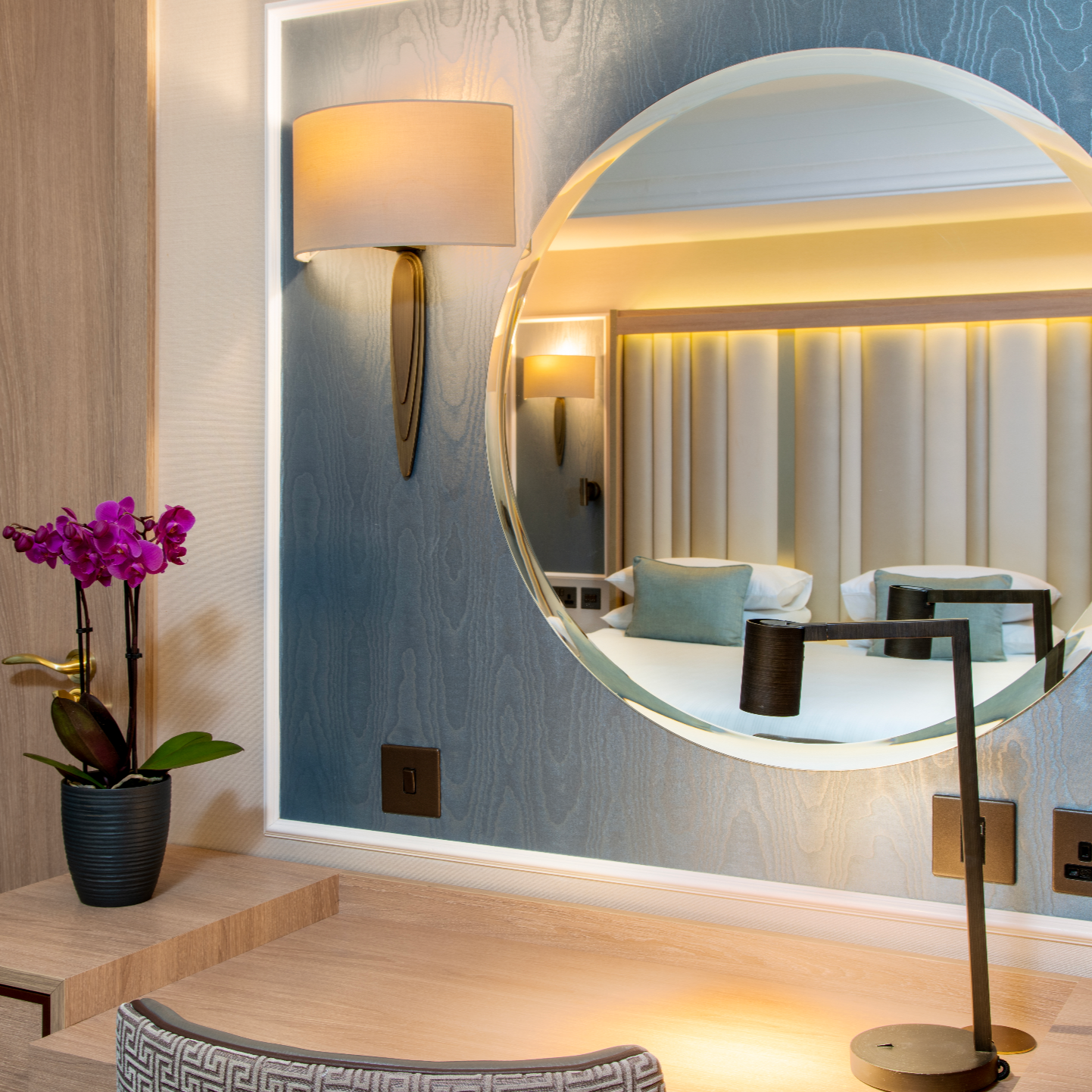
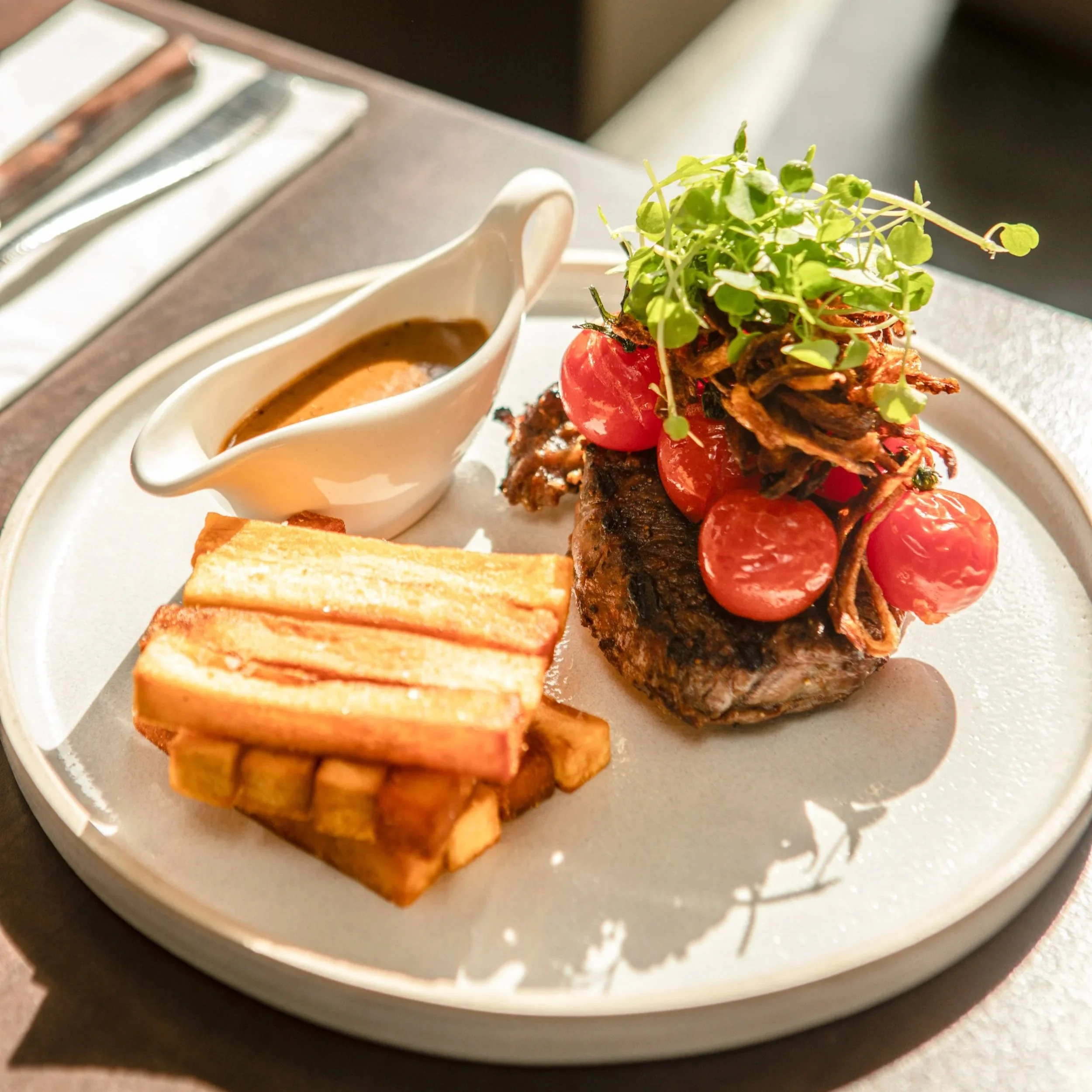
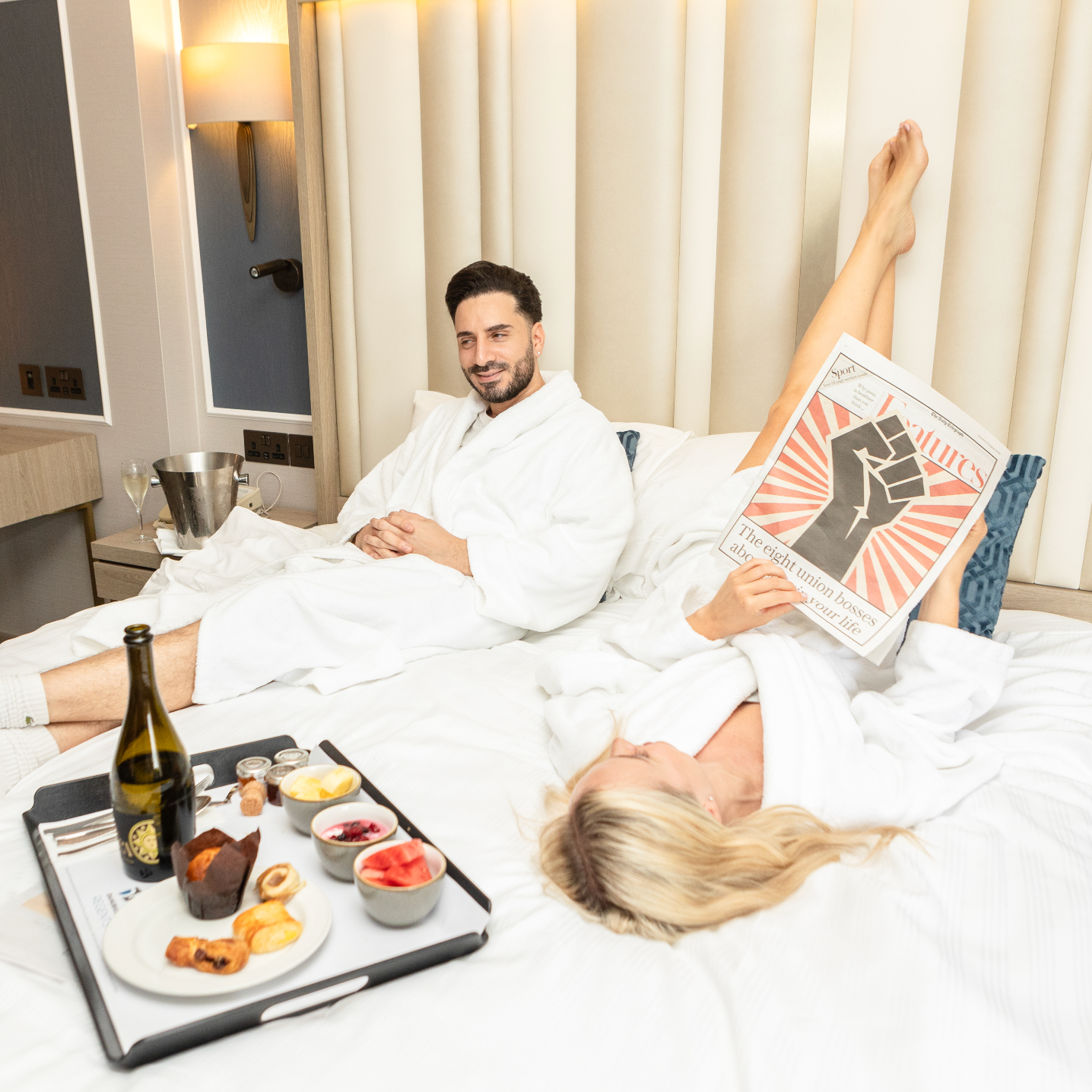
The hotel offers beautifully refurbished rooms, as well as a delicious restaurant, gym, lots of meeting space, wonderful staff, and more.
In this case study, we outline the objectives, our approach to hotel social media management, the lessons we have drawn from the work and the results reported during the measurement period.
Social media objectives
When we took over their social media, their core aims were to bring back frequent activity to their social media presence, increase targeted awareness and reach, and, ultimately, generate traffic.
It has also been noted that the hotel wishes to strictly remain on-brand, avoiding any form of controversial content, and ensuring an element of conservatism across social media.
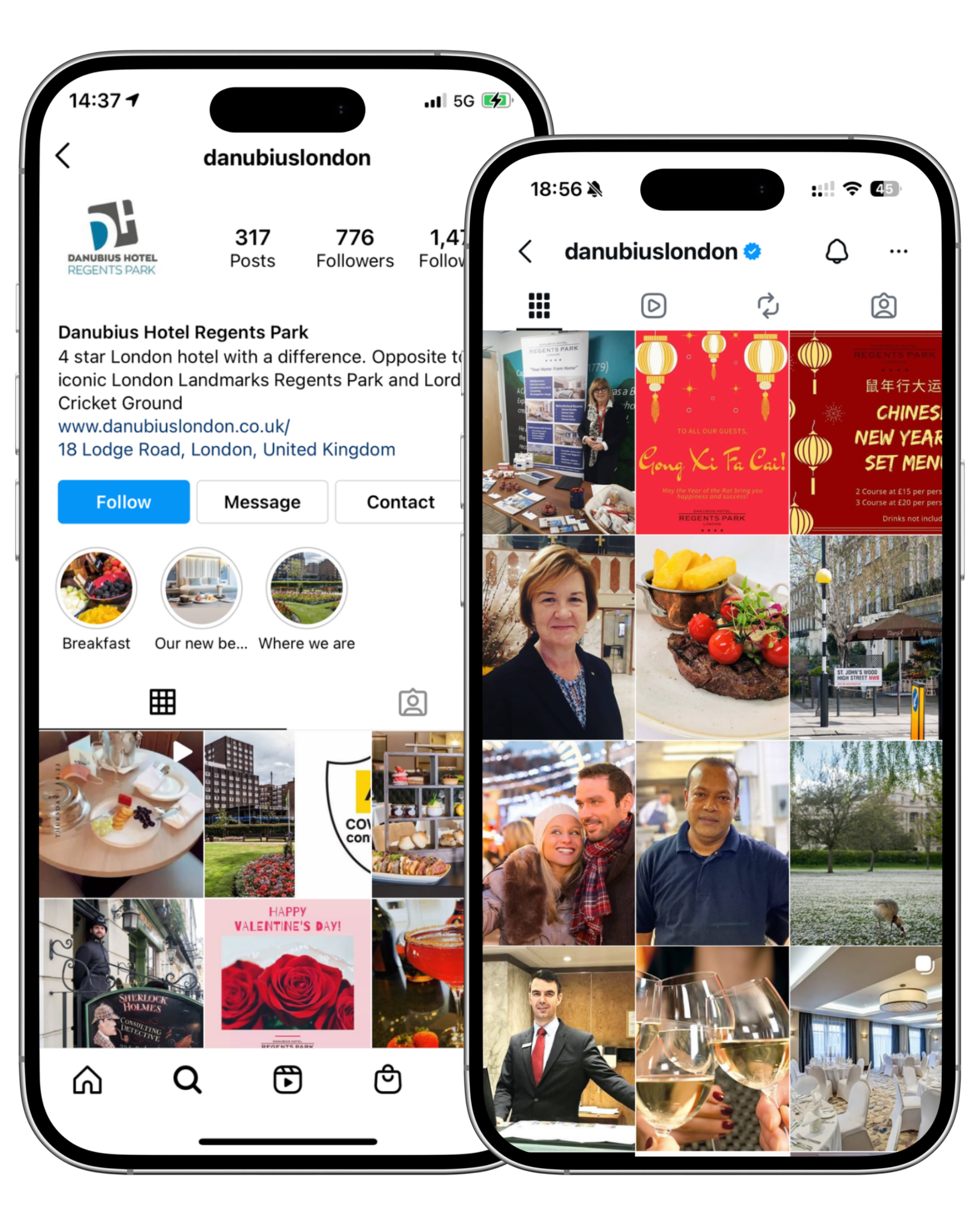
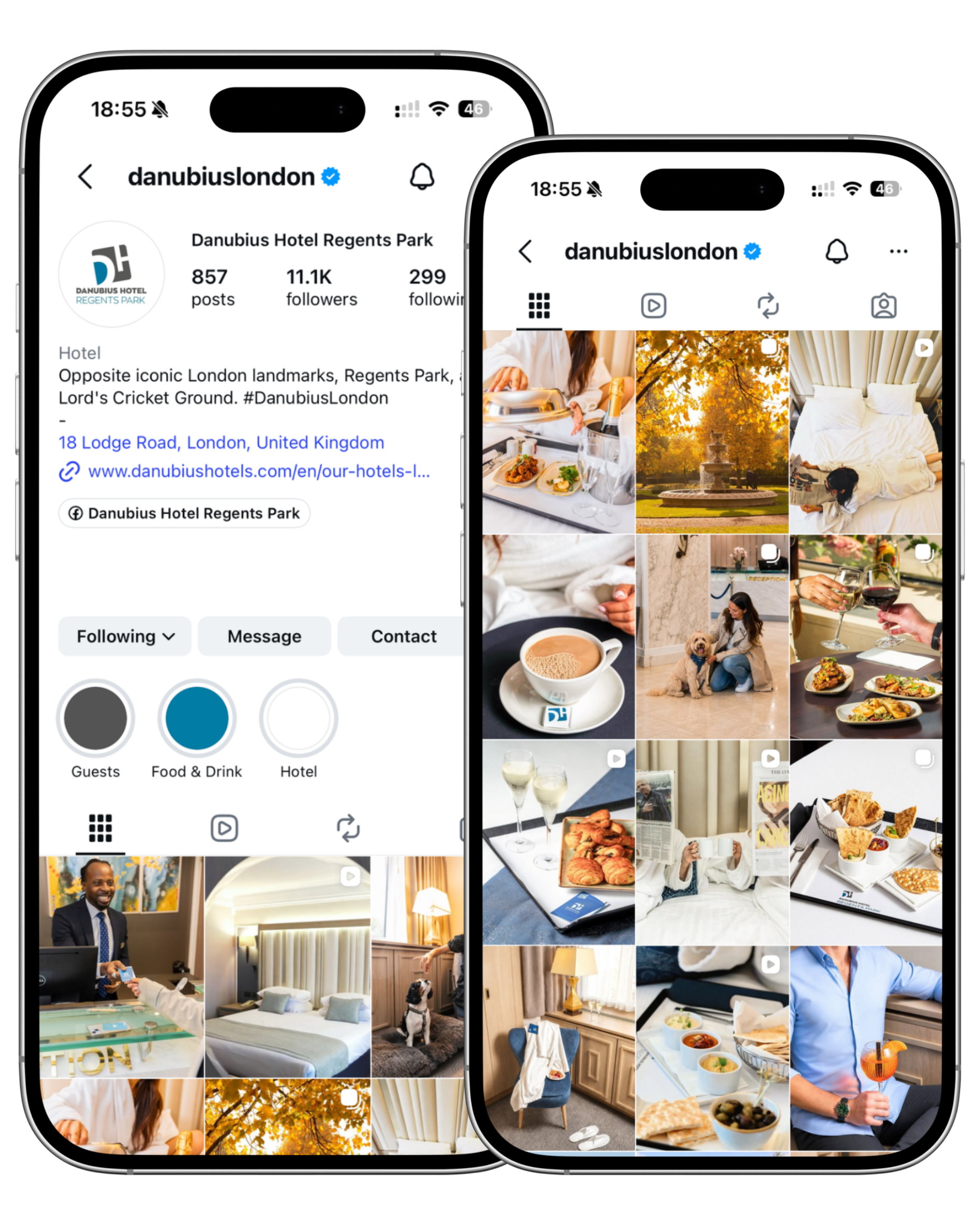
Here you can take a look at Danubius Hotel Regent’s Park’s Instagram page before we started and today, at the time of writing:
Our social media management approach
The London hotel social media scene is a competitive one, given the sheer number of hotels in the market, the size of the city, and the vast, growing number of visitors to the capital.
Naturally, over the course of 6 years and counting, our exact approach and deliverables have developed as social media platforms themselves, and trends, have evolved.
The hotel has a fabulous location in London. Through our social media strategy, we intended to showcase the hotel's USPs without overselling or drifting off-brand.
In summary, our strategy consisted of regular postings (with the pre-approval process in place) on both the feed and the story, across Instagram, Facebook, and LinkedIn, with an emphasis on Reels when possible.
We conduct community management work seven days per week, and arrange professional photo or video shoots at the hotel every 2 to 3 months.
Further, we run continuous ads with a variety of aims - either to increase awareness/followers ("vanity metrics"), or in order to generate targeted website traffic which can convert into bookings.
We also provide full reporting, as well as Instagram engagement work.
From time to time, we will run a competition to win a free stay or a free meal at their brilliant restaurant in order to give the metrics another boost.
Specific inclusions have developed significantly over the years we have worked together. For example, historically, it was advantageous for the algorithm to post more regularly on social media. Today, it's a different story.
However, the above outlines a summary of our approach to develop a hotel in London's social media presence successfully. The approach covers both organic and paid avenues, both of which are particularly important in unison. In addition to professional content creation, which is not only essential for a good hotel social media presence, but helps with the hotel's other marketing methods.
Results
Whilst the above visual shows you how we have increased the followers by over 10,000 on Instagram alone, here you can see a few metrics from the last 12 months at the time of writing;
103% follower growth across all channels
5.24 million impressions (representing a growth of 138%)
An average of 13.5 new followers per day on Instagram
Successfully skewing the followers to suit the hotel's target markets
1.55 million views on Instagram (representing a growth of 64%)
Average reach per day on Instagram of 5,413 (representing a growth of 150%)
Over 12,400 website visits generated through ads, producing inquiries and bookings
Across the social media marketing landscape, as well as in the hotel social media space, it is essential to continuously observe metrics and analytics, and study what works and what does not work for your brand. For example, in the London hotel space, certain types of posts will perform better or worse than they might do in the Dubai hotel space.
One trend we do notice internationally in the hospitality sector is the success of posts when you feature the local area. In the case of Danubius Hotel Regent’s Park, naturally, that is London. Considering the hotel is in such a particularly fantastic location within London, we aim to highlight elements of the city on a regular basis. Not only does this showcase what a brilliant city London is and one of the hotel's USPs, but it also helps reach a wider audience on social media. This is because, algorithmically, more people are searching for topics related to London than they are for hotels in London. Subsequently, that means the post can enter a larger pool of potential viewers and followers. If the post is set up correctly, this can result in people discovering the hotel's page, and ultimately following it.
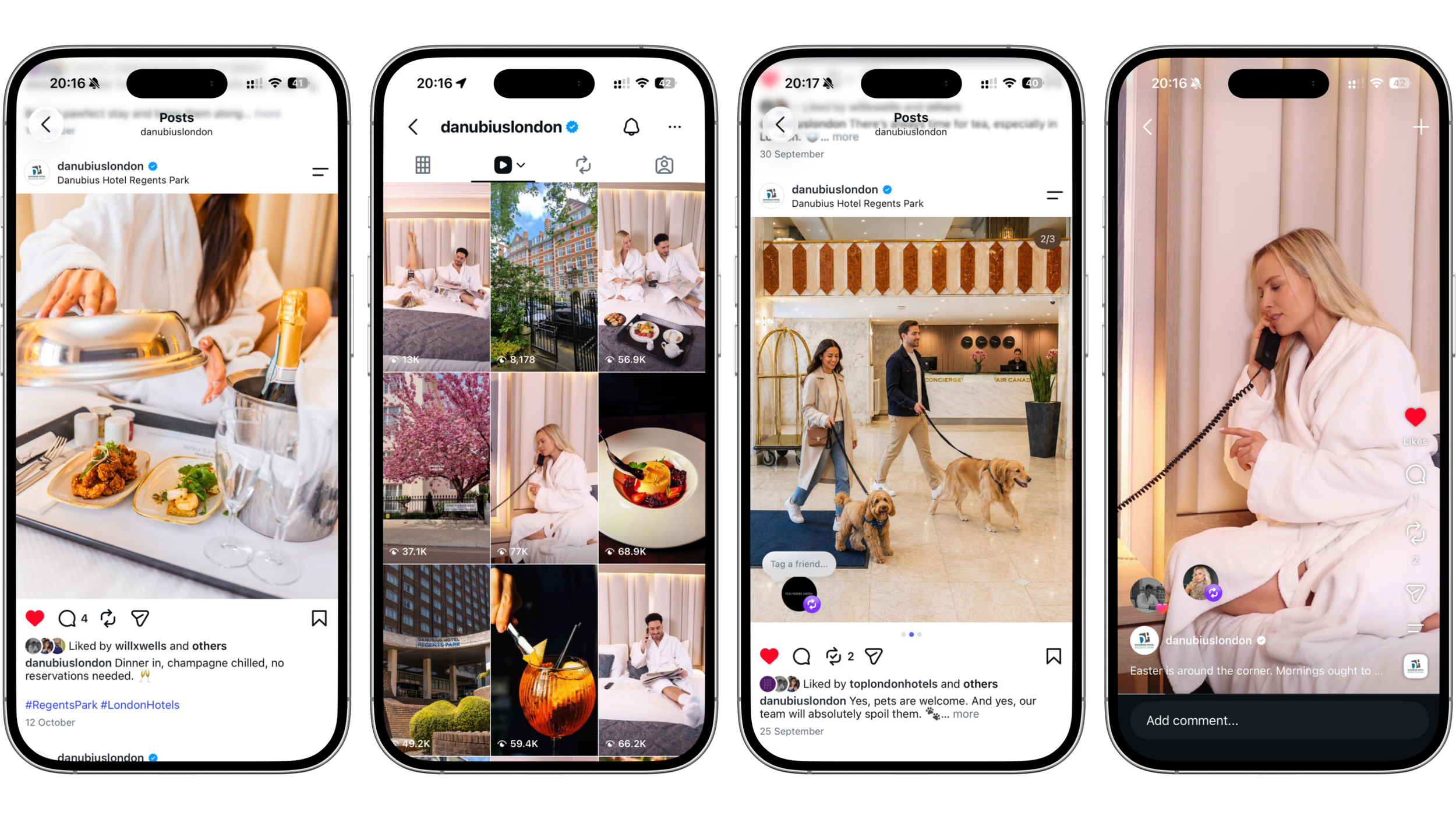
This analytical practice is an ongoing part of our work and has enabled us to produce successful posts (both organically and with a small budget), for hotels around the world, including for Danubius Hotel Regent’s Park. Below are a few examples of the continuous reach we have achieved:
Moving forward
As social media continues to evolve, so will our approach. In the case of Danubius Hotel Regent’s Park, one area in which we do wish to develop is the integration of staff more into the social media content. Historically (and this is another commonality in the hospitality industry globally), hotel team members have wished to stay off the social media grid, and therefore we have worked predominantly with models in order to generate engaging content which shows people enjoying the hotel experience.
Relevant particularly to the hospitality industry: people relate to people. For example, a guest may remember a particularly positive experience they had with a receptionist. Therefore, once that receptionist is seen on social media, the guest (if they see the post) is much more likely to engage with it. This aids algorithmic growth, but is also an example of one of the benefits of social media for hotels - the opportunity to keep in touch with previous guests and subsequently encourage repeat business.
Further, as alluded to earlier, we continue to analyse the metrics - see what works, what doesn't work, and continuously adjust our approach accordingly, both organically, and from a paid perspective.
Kindly click here to receive a complimentary audit of your social media, or kindly click here to get in touch. Thank you very much for reading.